









All family matter
ByExplorer
Finding Balance: How Singaporean Parents Can Raise Confident, Well-Rounded Children Without Losing Family Time
Share your love
For many Singaporean parents, raising a child today can feel like a constant balancing act. There is the pressure to do well in school, the worry over PSLE and future pathways, the question of whether tuition is necessary, and the never-ending effort to fit enrichment classes, work commitments, and family responsibilities into one packed week. Even in loving, supportive homes, parenting in Singapore can sometimes feel like a race that never fully slows down.
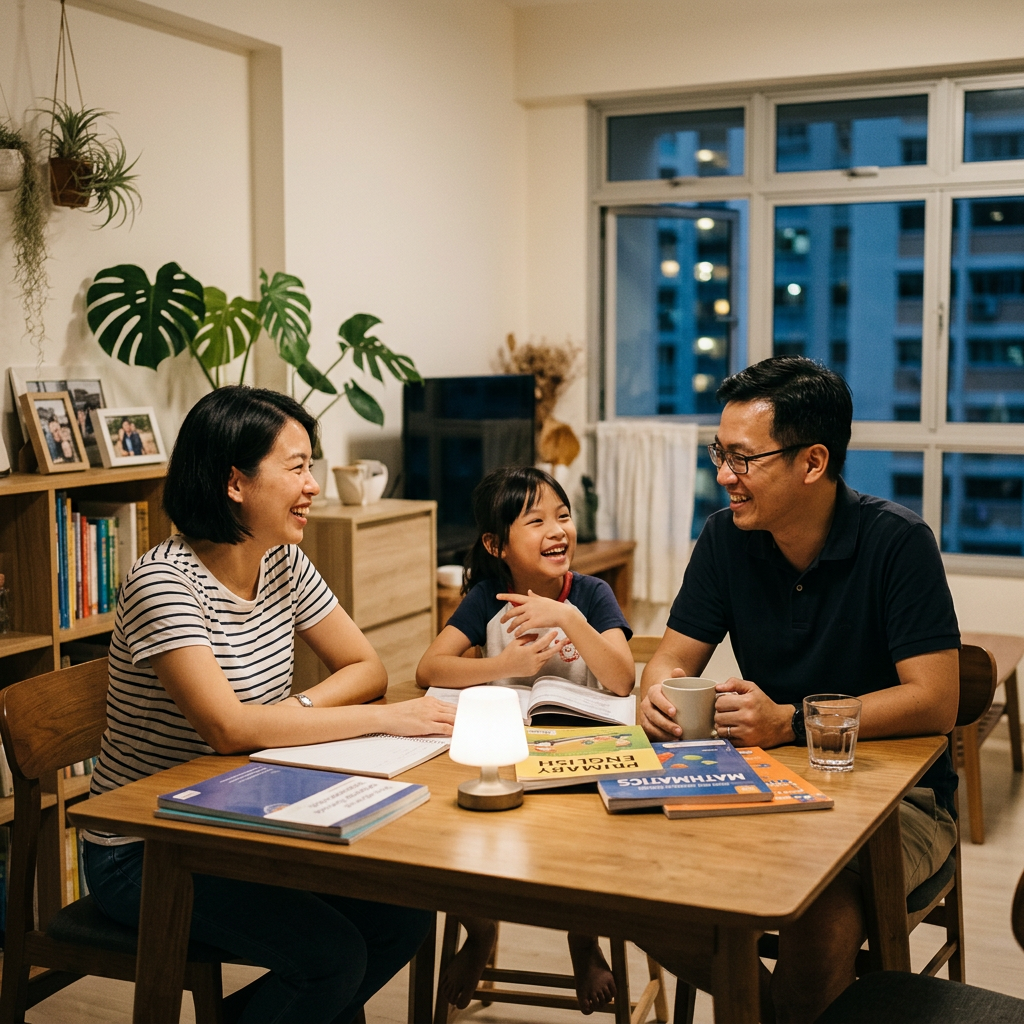
Yet many parents are asking an important question: how do you help your child succeed without making childhood feel like a timetable? More families are recognising that academic results matter, but so do confidence, emotional wellbeing, resilience, and connection at home. A well-rounded Singaporean child is not simply one who performs in school, but one who feels secure, capable, and supported.
This is where a more thoughtful approach can make a real difference. Instead of chasing every opportunity out of fear, Singaporean parents can build routines that support both achievement and balance. With the right mindset and practical strategies, it is possible to navigate the education system in Singapore while protecting family time, reducing unnecessary stress, and helping children grow into capable young people.
Why Singaporean Parents Feel So Much Pressure
Parenting pressure in Singapore does not appear out of nowhere. It is shaped by a highly structured education system, strong social expectations, and a very real desire among parents to give their children the best possible start. From primary school registration to major milestones like the PSLE, many families feel that every decision matters. Even when children are still very young, conversations around school readiness, enrichment classes, and academic performance can begin early.
For parents, the fear is often not just about grades. It is about future options, confidence, and whether their child will be able to cope in an increasingly competitive environment. When other children seem to be attending multiple tuition sessions, joining enrichment programmes, and building impressive portfolios, it is easy for mothers and fathers to wonder if they are doing enough. Social comparison can quietly influence parenting choices, even when parents know every child develops differently.
At the same time, many Singaporean families are managing dual-income households, demanding work schedules, long commutes, and limited downtime. This means parenting decisions are not made in ideal conditions. A child’s struggles in school may be addressed through tuition because it feels like the fastest, most practical solution. Enrichment classes may be added because they seem useful and productive. Over time, however, what begins as support can become a packed routine that leaves little room for rest or reflection.
This pressure is deeply understandable. Most Singaporean parents are not trying to push their children for the sake of it. They are trying to protect them, prepare them, and avoid future regret. But when every choice is driven by fear, families can end up feeling more anxious instead of more secure.
The Hidden Cost of Overscheduling Children
A busy schedule can look impressive on paper, but it does not always serve a child’s long-term development. Many children in Singapore move from school to student care, then to tuition, then to enrichment classes, before finally returning home tired and mentally drained. Weekends may be filled with more lessons, assessments, or structured activities. While some children cope well with this, others begin to show signs of stress that adults may not immediately recognise.
A child who is constantly rushing may become more irritable, less motivated, or emotionally withdrawn. Some lose interest in learning because every task starts to feel like performance. Others become dependent on external structure and struggle to manage boredom, independence, or creative play. In some homes, family conversations also become dominated by homework, marks, and logistics, rather than connection.
This matters because rest is not wasted time. Unstructured hours help children process emotions, build imagination, and develop self-direction. Time spent chatting over dinner, playing at the park, visiting grandparents, or simply doing nothing in particular can support healthy development in ways that worksheets and classes cannot. Family time in Singapore may be limited, but when it is protected, it can strengthen trust and emotional security.
Overscheduling can also affect parents. When adults are constantly coordinating pick-ups, classes, revision plans, and school concerns, the household atmosphere can become tense. Parents may feel guilty for not doing enough, while children sense that every hour must be productive. Over time, this can create a family culture where achievement is prioritised but everyone feels exhausted.
What Well-Rounded Parenting Looks Like in Singapore
Raising a well-rounded child in Singapore does not mean rejecting ambition or ignoring academics. It means broadening the definition of success. Yes, children need support in literacy, numeracy, discipline, and study habits. But they also need empathy, adaptability, problem-solving skills, social awareness, and the ability to bounce back from setbacks. These qualities often shape long-term success just as much as exam scores do.
For Singaporean parents, this can begin with a simple shift in perspective. Instead of asking only, “How can my child get ahead?” it may help to ask, “What kind of person is my child becoming?” A child who learns how to handle disappointment, speak respectfully, manage responsibilities, and stay curious has a foundation that goes beyond any one exam. This is especially important in a world where future opportunities may depend not just on knowledge, but on communication, resilience, and adaptability.
Well-rounded parenting also means recognising your child as an individual. Some children thrive in structured environments and enjoy additional classes. Others need more time, flexibility, or emotional reassurance. One child may benefit from music lessons that build confidence, while another may gain more from free play, sports, or simply having fewer commitments. There is no single formula that fits every Singaporean child.
In practical terms, balance often looks less glamorous than many parents expect. It may mean one carefully chosen enrichment activity instead of three. It may mean allowing a child to be average in one area while they build strengths in another. It may mean saying no to extra tuition and yes to more sleep, more reading at home, or more family conversations. These decisions may not always look competitive from the outside, but they can create a healthier and more sustainable family rhythm.
Practical Strategies for Balancing Academics, Enrichment, and Family Time
Finding balance is easier said than done, especially when school demands are real and parents are already stretched. Still, small adjustments can make a meaningful difference. The goal is not to remove structure entirely, but to make sure every commitment has a clear purpose.
One useful first step is to review your child’s weekly schedule honestly. List school hours, homework time, tuition, enrichment classes, travel time, meals, and bedtime. Then ask a few direct questions. Is your child regularly tired? Do they still have time to play, talk, rest, or read for pleasure? Are all current activities still useful, or are some being continued out of habit? Many families discover that one or two small changes can immediately reduce stress.
It also helps to choose enrichment classes with intention. Not every class adds equal value. Some programmes genuinely support a child’s interests or development, while others simply fill time. Before signing up, consider whether the activity matches your child’s needs, temperament, and energy level. A child who already has a demanding school routine may benefit more from a joyful activity like swimming, art, or football than from yet another academic class.
Parents can also set realistic academic goals. Not every child needs to top the class to be doing well. Focus on progress, consistency, and understanding rather than constant comparison. If your child improves in effort, confidence, or independent learning, that is meaningful growth. This approach can lower stress while still encouraging responsibility.
Just as importantly, build simple family rituals that are easy to keep. In busy Singapore households, grand plans are often hard to sustain, but small repeated habits matter. A regular dinner together, a weekend breakfast outing, a walk after school, or a short bedtime chat can create emotional stability. These moments help children feel seen and give parents a better sense of what is happening beneath the surface.
Finally, protect downtime without feeling guilty. Children do not need every hour to be optimised. They need time to reset. Parents do too. When families stop treating rest as laziness, they often find that children return to schoolwork with better focus and fewer power struggles.
When Tuition Helps and When It May Not
Tuition is a normal part of life for many families, and it is easy to see why. In some situations, extra support can be genuinely helpful. A child who has missed key concepts, needs clearer explanations, or benefits from more guided practice may improve with the right tutor. Tuition can also reduce stress when it fills specific gaps and gives both parent and child a more manageable way to tackle schoolwork.
However, more tuition is not always the answer. Sometimes a child is not struggling because they need extra worksheets, but because they are tired, overwhelmed, anxious, or disengaged. In other cases, the issue may be a mismatch in teaching style, weak study habits, or a lack of confidence. Adding more lessons without addressing the real cause can increase frustration rather than solve the problem.
This is why it helps to ask what role tuition is meant to play. Is it short-term support for a clear academic difficulty? Is it helping your child become more confident and independent? Or has it become a default response to fear about falling behind? Parents who pause to evaluate these questions often make more effective decisions.
Communication matters too. Before committing to additional tuition, consider speaking with your child’s teacher if appropriate. A teacher may highlight specific areas of weakness, suggest ways to support learning at home, or reassure you that your child is progressing normally. In some cases, a simpler routine, better sleep, and more focused home revision may be more beneficial than another weekly class.
The best tuition decisions are usually calm, targeted, and reviewed regularly. If tuition is helping, keep it purposeful. If it is creating more stress than progress, it may be time to reconsider.
Local Resources and Everyday Support for Singapore Families
Singaporean parents do not have to navigate these challenges alone. Schools, community organisations, and public resources can all play a role in supporting children and families. Depending on your child’s needs, school-based support may include teachers, school counsellors, form teachers, or year heads who can offer perspective on academic concerns, behaviour, or emotional wellbeing.
Parents can also refer to resources from the Ministry of Education for guidance on the education system in Singapore, school pathways, and broader approaches to learning and development. These materials can be especially useful for families who feel overwhelmed by hearsay, comparison, or conflicting advice online. Getting information from reliable sources often reduces unnecessary anxiety.
Community-based support can be helpful as well. Parent networks, family service centres, community clubs, and neighbourhood programmes sometimes offer parenting workshops, student support, or activities that encourage healthier routines and social connection. Even informal support, such as trusted friends, relatives, or parent groups, can make a difference when parents need perspective or reassurance.
Beyond formal resources, everyday support at home remains powerful. A calm evening routine, predictable mealtimes, reasonable sleep habits, and open conversations can improve a child’s ability to cope with school stress. In many cases, children do not need perfect parenting. They need consistent adults who listen, guide, and respond with steadiness.
For busy families, this is an encouraging reminder. Supporting your child does not always require expensive programmes or highly structured solutions. Sometimes the most meaningful support is found in ordinary habits that create security and belonging.
Key Takeaways for Parents Who Want Less Stress and More Connection
Parenting in Singapore comes with real pressures, especially when academic milestones like the PSLE, tuition decisions, and enrichment classes seem to shape a child’s future. But raising a successful Singaporean child does not have to mean filling every hour or chasing every opportunity. Children thrive best when they are supported academically while also given space to rest, connect, and grow into themselves.
A more balanced family life begins with clarity. Parents can review what truly matters, cut back on commitments that no longer serve their child, and build routines that support both learning and wellbeing. This may include being more intentional about tuition, choosing enrichment classes carefully, and protecting family time in Singapore as something essential rather than optional.
The long-term goal is not perfection. It is to raise children who are capable, grounded, and emotionally secure. When parents focus not only on grades but also on resilience, character, and connection, they create a stronger foundation for life beyond school.
If this topic resonates with your family, share this article with another parent who may need encouragement, or leave a comment with your own experience. How do you balance academics, enrichment, and family time in Singapore? Your story may help another parent feel less alone.