





All family matter
ByExplorer
Singapore Culture in 2025: Traditions, Food, Festivals, and Local Life
Share your love
Singapore culture is one of the most fascinating aspects of the city-state. Known for its multicultural identity, vibrant festivals, world-famous food, and strong social values, Singapore offers a unique mix of heritage and modern life. For travellers, expats, and locals, understanding Singapore culture means seeing how Chinese, Malay, Indian, Eurasian, and global influences come together in one dynamic destination.
In this blog post, we explore what makes Singapore culture unique, where to experience it, and why it continues to attract visitors from around the world.
What Is Singapore Culture?
Singapore culture refers to the customs, traditions, values, languages, cuisine, and daily practices that shape life in Singapore. Because Singapore is a multicultural nation, its culture is built on diversity, harmony, and mutual respect.
The main cultural influences in Singapore include:
- Chinese heritage
- Malay heritage
- Indian heritage
- Eurasian traditions
- Modern global influences
Together, these influences create a distinctly Singaporean identity that can be seen in everything from food and festivals to architecture and language.
Why Singapore Culture Is Unique
What makes Singapore culture stand out is the way different ethnic traditions are preserved while also blending naturally in everyday life. In Singapore, culture is not limited to historical sites or museums. It is part of the daily experience.
You can see this in:
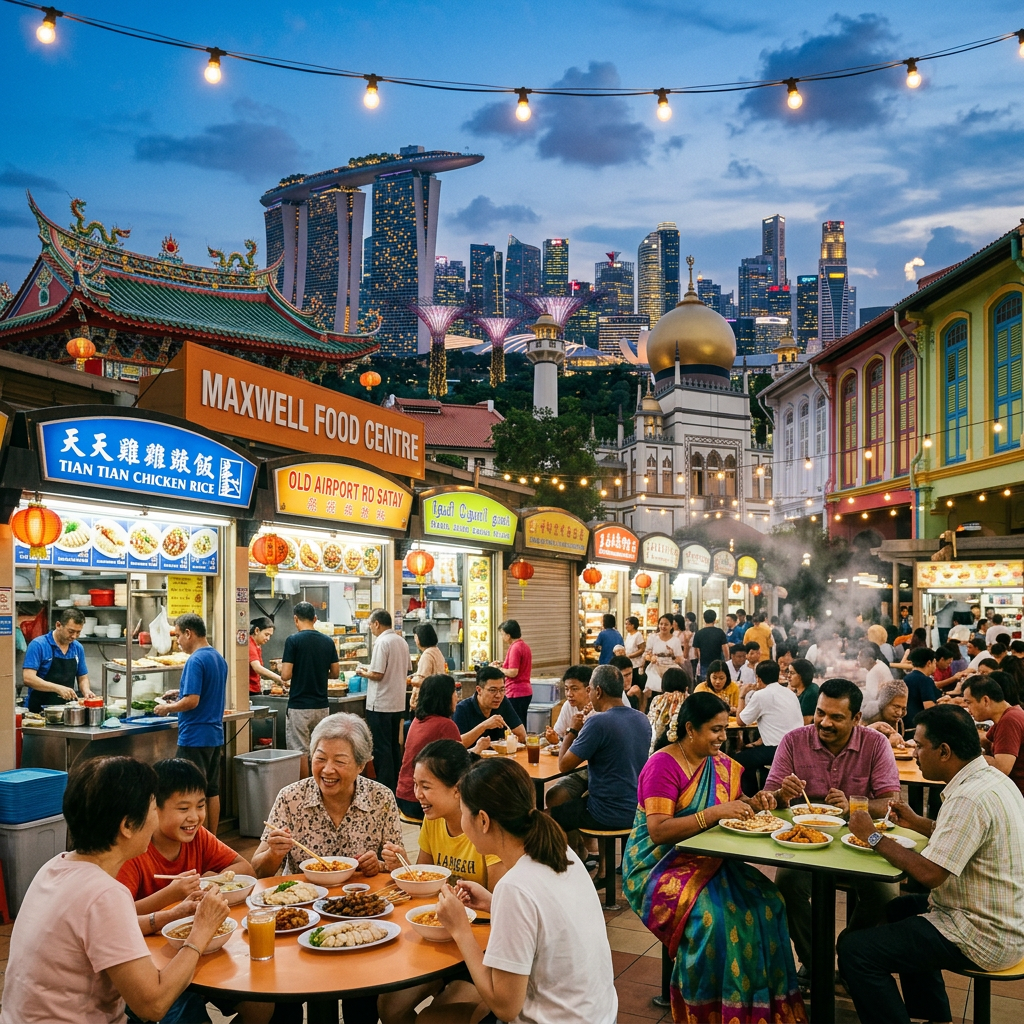
- Hawker centres serving dishes from many communities
- Religious buildings located side by side
- Major cultural festivals celebrated across the island
- Neighbourhoods such as Chinatown, Little India, and Kampong Glam
- A shared identity built on multicultural harmony
This balance between heritage and modernity is one of the biggest reasons Singapore culture attracts both tourists and researchers alike.
The Multicultural Foundation of Singapore
Singapore grew as a major trading port, attracting communities from across Asia and beyond. Over time, migrants built homes, businesses, religious sites, schools, and traditions that became part of the national identity.
Today, Singapore’s multicultural foundation remains one of its greatest strengths. Rather than existing in isolation, communities influence each other through food, language, celebrations, and social customs.
Chinese Influence in Singapore Culture
Chinese culture plays a major role in Singapore society. It influences food, language, family values, customs, and annual celebrations.
Important examples include:
- Chinese New Year traditions
- Clan associations and temples
- Respect for elders and family unity
- Popular dishes such as Hainanese chicken rice and bak kut teh
- Mandarin and Chinese dialect heritage
Chinatown remains one of the best places to experience this side of Singapore culture.
Malay Influence in Singapore Culture
Malay culture is deeply tied to Singapore’s regional identity and historical roots. The Malay community contributes strongly to language, music, cuisine, and festive traditions.
Key features include:
- Hari Raya Aidilfitri celebrations
- Traditional Malay arts and dance
- Malay cuisine such as nasi lemak, satay, and rendang
- Malay as Singapore’s national language
- Community-centred kampung values
Kampong Glam and Geylang Serai are among the best places to explore Malay and Muslim culture in Singapore.
Indian Influence in Singapore Culture
Indian culture adds colour, spirituality, architecture, cuisine, and festive vibrancy to Singapore.
Its influence can be seen through:
- Deepavali celebrations
- Hindu temples and religious ceremonies
- Traditional Indian clothing
- Foods such as roti prata, briyani, and masala dosa
- Tamil as one of Singapore’s official languages
Little India is one of the most exciting cultural districts for anyone exploring Singapore culture.
Eurasian and Global Influences
Eurasian communities have also shaped Singapore culture, especially through food, family traditions, and education. Modern Singapore has also been influenced by international migration, tourism, and global business.
The result is a culture that feels both proudly local and globally connected.
Languages in Singapore Culture
Language is one of the clearest reflections of Singapore culture. Singapore has four official languages:
- English
- Malay
- Mandarin Chinese
- Tamil
English is widely used in education, business, and government, making it a common language across communities. At the same time, mother tongues remain central to ethnic identity.
Another unique feature of Singapore culture is Singlish, a local colloquial form of English influenced by Malay, Tamil, Hokkien, Cantonese, and other languages. Singlish is an important part of everyday local identity.
Food Culture in Singapore
Food is one of the strongest and most loved parts of Singapore culture. It reflects migration, adaptation, and cultural exchange across generations.
Singapore is globally known for its food scene, especially its hawker culture, which brings together affordable and authentic dishes in shared public spaces.
Famous Foods That Reflect Singapore Culture
Some of the most iconic dishes include:
- Hainanese chicken rice
- Laksa
- Chilli crab
- Satay
- Nasi lemak
- Roti prata
- Char kway teow
- Bak kut teh
- Mee rebus
- Kaya toast and kopi
These dishes are not just popular foods. They also represent the different communities and shared experiences that shape Singapore culture.
Hawker Centres as Cultural Landmarks
Hawker centres are central to local life in Singapore. They are more than food courts. They are cultural spaces where people from different backgrounds gather, eat, and connect.
Hawker culture is so important that it has received international recognition as part of Singapore’s living heritage. For many visitors, eating at a hawker centre is one of the best ways to experience authentic Singapore culture.
Religion and Beliefs in Singapore
Religion plays a major role in Singapore culture. The country is known for religious diversity, tolerance, and peaceful coexistence.
Common religions in Singapore include:
- Buddhism
- Christianity
- Islam
- Taoism
- Hinduism
- Other faiths and secular beliefs
In Singapore, temples, mosques, churches, and shrines can often be found close to one another. This reflects the broader national value of respect across cultures and beliefs.
Festivals That Define Singapore Culture
Festivals are among the most exciting ways to experience Singapore culture. Throughout the year, the city comes alive with decorations, performances, community events, and traditional foods.
Chinese New Year
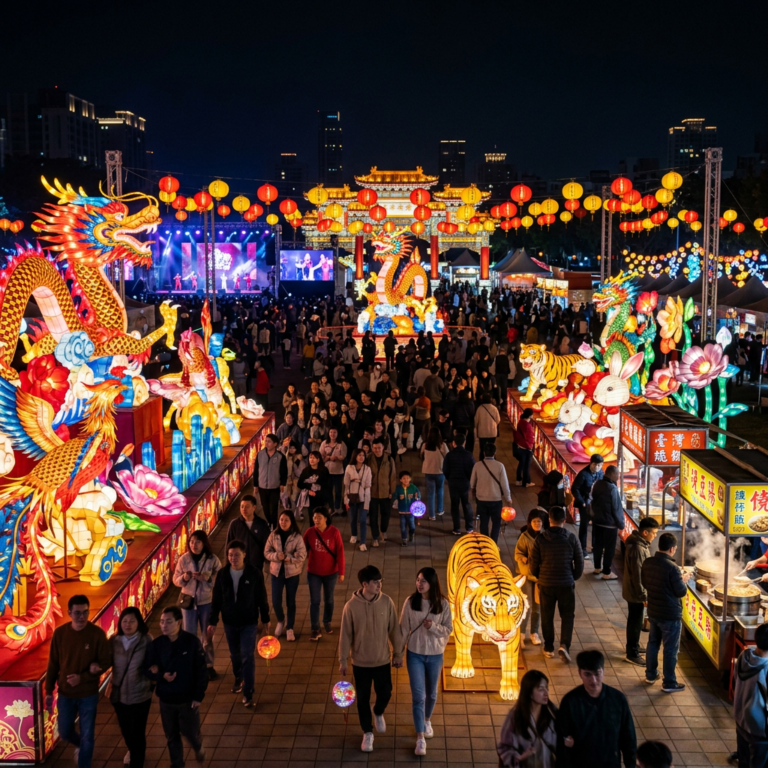
Chinese New Year is one of the biggest celebrations in Singapore. Families gather for reunion dinners, exchange red packets, and decorate homes with symbols of prosperity. Chinatown becomes especially lively during this festive season.
Hari Raya Aidilfitri
Hari Raya Aidilfitri marks the end of Ramadan and is widely celebrated by the Muslim community. Festive bazaars, lights, and traditional foods create a vibrant atmosphere in areas such as Geylang Serai and Kampong Glam.
Deepavali
Deepavali, the Festival of Lights, is celebrated by the Indian community with prayers, colourful decorations, and festive meals. Little India becomes one of the most visually striking parts of Singapore during this period.
Christmas and Other Celebrations
Christmas is also widely celebrated in Singapore, especially in shopping districts like Orchard Road. Other important events, including Vesak Day, Thaipusam, and National Day, also contribute to the richness of Singapore culture.
Arts, Heritage, and Museums in Singapore
Singapore culture is also expressed through its arts scene, museums, heritage areas, and performing spaces. Traditional art forms continue alongside modern creative industries.
Key cultural attractions include:
- National Museum of Singapore
- Asian Civilisations Museum
- Peranakan Museum
- Esplanade – Theatres on the Bay
- Chinatown, Little India, and Kampong Glam
Visitors who want a deeper understanding of Singapore culture should include these places in their travel plans.
Daily Life and Social Values in Singapore
Singapore culture is not only shaped by ethnicity and religion. It is also shaped by shared national values.
Important values include:
- Respect for elders
- Strong family ties
- Community responsibility
- Cleanliness and public order
- Education and hard work
- Multiracial harmony
These values influence everyday life, from family traditions to public behaviour and social expectations.
Best Places to Experience Singapore Culture
If you want to see Singapore culture in real life, these places are among the best starting points:
- Chinatown for temples, heritage shops, and Chinese traditions
- Little India for Indian temples, street life, and festive decorations
- Kampong Glam for Malay-Arab heritage, mosques, and creative culture
- Joo Chiat and Katong for Peranakan architecture and food
- Hawker centres for local food culture
- Museums and heritage trails for historical context
Each area offers a different perspective on culture in Singapore.
Why Singapore Culture Attracts Tourists
For visitors, Singapore culture is one of the country’s biggest attractions. Travellers can enjoy multiple cultural experiences in a single destination while benefiting from Singapore’s safety, convenience, and modern infrastructure.
Tourists are drawn to Singapore because they can:
- Experience several Asian cultures in one trip
- Enjoy world-famous local food
- Attend festivals throughout the year
- Explore museums and heritage districts
- See how tradition and modern life exist together
This makes Singapore an ideal destination for cultural tourism.
The Future of Singapore Culture
Singapore culture continues to evolve with each generation. Young Singaporeans are expressing identity through food, fashion, art, music, and digital content, while cultural institutions continue working to preserve heritage buildings, traditional businesses, and community stories.
The future of Singapore culture will likely remain rooted in diversity, resilience, and adaptability.
Conclusion
Singapore culture is a rich blend of tradition, diversity, and modern life. It reflects the influence of Chinese, Malay, Indian, Eurasian, and global communities while remaining uniquely Singaporean. From food and festivals to language, religion, and social values, culture in Singapore is vibrant, welcoming, and constantly evolving.
Whether you are planning a visit, creating travel content, or learning more about Southeast Asia, Singapore culture offers endless insight into one of the world’s most dynamic destinations.
Frequently Asked Questions About Singapore Culture
1. What is Singapore culture known for?
Singapore culture is known for its multicultural identity, hawker food, major festivals, religious diversity, and the way Chinese, Malay, Indian, and other communities live side by side.
2. Why is Singapore culture unique?
Singapore culture is unique because it combines multiple Asian traditions with modern urban life. It is one of the few places where diverse communities maintain their heritage while sharing a strong national identity.
3. What are the main cultures in Singapore?
The main cultural influences in Singapore are Chinese, Malay, Indian, and Eurasian, along with modern international influences.
4. What food is part of Singapore culture?
Popular foods that reflect Singapore culture include Hainanese chicken rice, laksa, chilli crab, satay, nasi lemak, roti prata, and kaya toast.
5. What festivals are celebrated in Singapore?
Singapore celebrates Chinese New Year, Hari Raya Aidilfitri, Deepavali, Christmas, Vesak Day, Thaipusam, and National Day, among many others.
6. What language is spoken in Singapore culture?
Singapore has four official languages: English, Malay, Mandarin Chinese, and Tamil. Singlish is also widely used in casual local conversation.
7. Where can tourists experience Singapore culture?
Tourists can experience Singapore culture in Chinatown, Little India, Kampong Glam, Joo Chiat, Katong, hawker centres, museums, and heritage districts.
8. Why is hawker culture important in Singapore?
Hawker culture is important because it reflects Singapore’s multicultural food heritage, community life, and everyday social interaction. It is one of the most authentic parts of local culture.