Breaking News



Popular News


Enter your email address below and subscribe to our newsletter
All family matter
 ByExplorer
Singapore is small on the map, but daily life here feels anything but small. On any given day, people are checking Singapore news updates on transport disruptions, planning their next makan spot, comparing job opportunities, watching property prices, and figuring out how to stretch their dollar a bit further. It is this mix of ambition, convenience, pressure, and possibility that makes life in Singapore so distinctive.
For many Singaporeans, the rhythm of everyday life is shaped by practical concerns and small pleasures at the same time. One moment, you are discussing policy changes or the cost of living in Singapore. The next, you are debating where to find the best food in Singapore or deciding on weekend plans. This article explores the many sides of modern Singaporean life, from current affairs and culture to careers, technology, travel, and financial planning, in a way that feels relevant, grounded, and close to home.
Keeping up with Singapore news is not just a habit for the very on-the-ball crowd. In Singapore, current affairs affect daily decisions in a real and immediate way. Changes in transport fares, school policies, housing rules, healthcare support, and labour trends can all influence how families budget, commute, and plan for the future. Because the country is tightly connected and highly organised, policy updates often have a visible effect on daily routines.
The role of the Singapore government is especially significant in this context. Whether it is rolling out support schemes, adjusting housing policies, investing in digital services, or strengthening sustainability efforts, government decisions are closely watched by residents. Singaporeans tend to be practical, so people want to know how new announcements affect their wallet, household, job prospects, or long-term plans. In that sense, reading the news is not just about being informed; it is about staying prepared.
This is why so many people rely on a mix of traditional media, government channels, and social platforms to keep track of updates. From budget statements to public transport improvements and cost-related measures, news in Singapore often comes with immediate relevance. If you live here, blur like that only if you ignore the headlines. Staying informed helps people respond quickly, make smarter decisions, and feel more confident about what comes next.
Few topics spark more discussion than the cost of living in Singapore. Whether it is coffee shop conversations, group chats, or family dinners, rising daily expenses are a common concern. Housing, groceries, utilities, transport, childcare, and insurance all add up, especially for families and middle-income households trying to balance present needs with future goals.
Singapore is often praised for safety, efficiency, and quality infrastructure, but those benefits come with a price. Rent and mortgage commitments can take up a large portion of monthly income. Eating out is still affordable in many hawker centres, but supermarket bills and lifestyle spending can creep up quickly. Even small everyday habits, from a grab-and-go kopi to frequent online shopping purchases, can quietly affect budgets.
Still, Singaporeans are known for being resourceful. Many households manage costs by meal planning, using cashback apps, taking public transport, buying during supermarket promotions, and choosing hawker food over pricier restaurants. A plate of cai fan, a value meal, or a neighbourhood market run can still feel like a small win. The reality is that life here requires careful planning, but people continue to adapt with a combination of discipline, creativity, and that familiar local mindset of making things work somehow.
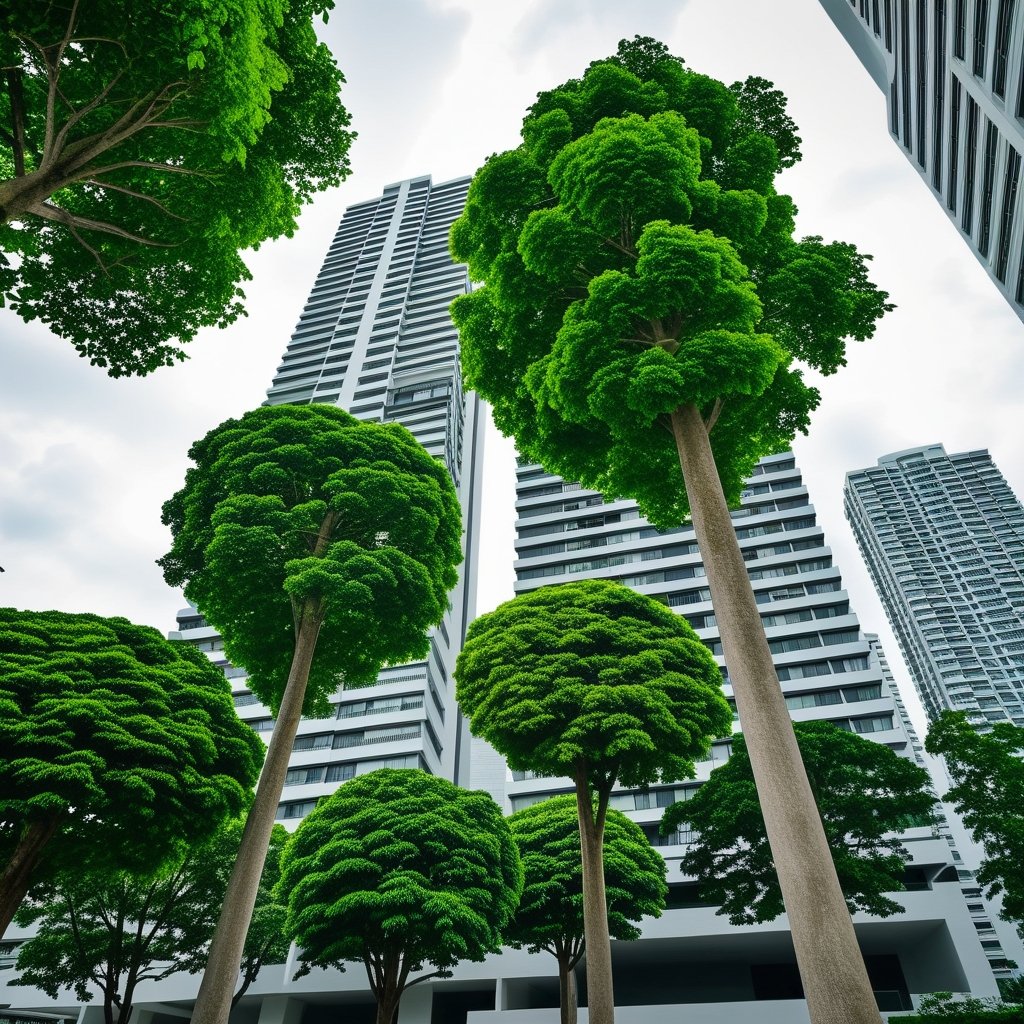
When people talk about Singapore property, they are often talking about much more than investment returns. Housing in Singapore is deeply personal. It is tied to stability, family planning, independence, and even identity. For many residents, owning a home remains one of life’s biggest goals, whether that means applying for a Build-To-Order flat, upgrading to a resale flat, or considering a condominium later on.
The property market in Singapore is also unique because of how central HDB living is to the national experience. Public housing has shaped the everyday lives of generations, creating communities with access to transport, schools, food centres, and public spaces. At the same time, rising resale prices, rental costs, and financing concerns have made affordability a more pressing issue, especially for younger buyers and households entering the market for the first time.
Buyers and renters today are looking beyond just floor area and price. They want MRT access, nearby amenities, childcare options, school proximity, and long-term resale potential. Some prioritise convenience; others are willing to trade a central location for more space. No matter the preference, Singapore property remains one of the most searched and discussed topics because it sits at the centre of how people imagine their future.
The market for Singapore jobs is constantly evolving, shaped by global demand, industry transformation, and local workforce policies. For job seekers and working professionals, this means opportunity and uncertainty often arrive together. Sectors such as finance, healthcare, logistics, education, public service, and technology continue to offer roles, but expectations around adaptability and skills are higher than before.
In today’s environment, having a degree or years of experience alone may not be enough. Employers increasingly look for people who can communicate well, learn quickly, and work across digital tools and changing business needs. This is why upskilling has become such an important part of career planning in Singapore. From SkillsFuture courses to industry certifications and professional networking, workers are encouraged to keep improving if they want to stay relevant.
Career advice in Singapore is also becoming more practical and less linear. Many professionals are switching fields, taking contract roles, exploring side hustles, or looking for better work-life balance rather than chasing title alone. Hybrid work has changed expectations, and mental well-being is now part of the conversation too. In a highly competitive city, the smartest move is often not just working harder, but building the flexibility to move with the market.
Technology is now woven into almost every part of life in Singapore. From contactless payments and food delivery to digital banking and telehealth, convenience is increasingly powered by smart systems. Singaporeans are quick to adopt tools that save time, reduce friction, and fit into a fast-moving routine. This is why digital services tend to gain traction here very quickly.
Artificial intelligence, automation, and cybersecurity are becoming especially important topics. Businesses are experimenting with AI tools to improve productivity, while workers are learning how these tools may affect job roles in the future. At the same time, households are becoming more aware of online scams, data privacy, and the need to stay cyber-safe. The digital shift brings benefits, but it also requires vigilance.
The Singapore government has played a major role in this transformation through smart nation initiatives, digital public services, and support for innovation. Whether it is paying bills online, accessing records through national platforms, or using apps for transport and daily tasks, digital convenience has become part of normal life. For many people, tech is no longer a bonus. It is the infrastructure behind how they work, spend, communicate, and solve problems every day.
Ask almost anyone about the best food in Singapore, and you will get strong opinions very fast. Food is not just nourishment here. It is entertainment, identity, comfort, and community. It is one of the easiest ways to understand the country’s multicultural roots, because Chinese, Malay, Indian, Peranakan, and international influences all live side by side on one table.
Hawker culture remains the beating heart of local food life. Even as cafe culture grows and trendy restaurants fight for attention, there is still something unbeatable about a good plate of chicken rice, fragrant nasi lemak, crispy prata, hearty laksa, sizzling satay, or kaya toast with kopi. Hawker centres and coffee shops continue to offer some of the best food in Singapore, often at prices that still feel reasonable compared with many other global cities.
What makes Singapore’s food scene so special is the mix of heritage and experimentation. One day you are queueing for famous char kway teow in an old-school neighbourhood. The next, you are trying fusion brunch or artisanal desserts in a hip café. The food conversation here never ends, and honestly, that is part of the fun. Everyone has a recommendation, everyone has a favourite stall, and everyone thinks their own pick is the correct one. Steady lah, that is just how food works in Singapore.
Search interest in things to do in Singapore stays high because locals are always looking for fresh ways to enjoy the city. While Marina Bay Sands, Gardens by the Bay, and Sentosa remain popular, everyday Singaporean life also includes a wide range of activities that go beyond the usual postcards and tourist lists.
For families, there are parks, nature trails, museums, and waterfront spaces that offer a break from the work-and-school routine. The Southern Ridges, East Coast Park, MacRitchie Reservoir, and the Rail Corridor continue to attract walkers, cyclists, and anyone needing a reset. For couples and friend groups, weekend ideas might include cafe hopping, pasar malam visits, live music, cultural festivals, late-night supper outings, or exploring neighbourhoods like Tiong Bahru, Joo Chiat, and Kampong Glam.
One reason searches for things to do in Singapore remain so strong is that the city keeps evolving. New attractions, events, pop-ups, and dining concepts appear regularly, while classic experiences continue to hold their charm. Even a simple day out can feel shiok when it includes good food, a scenic walk, and a little time away from your usual routine. In a fast-paced city, finding small pockets of joy matters.
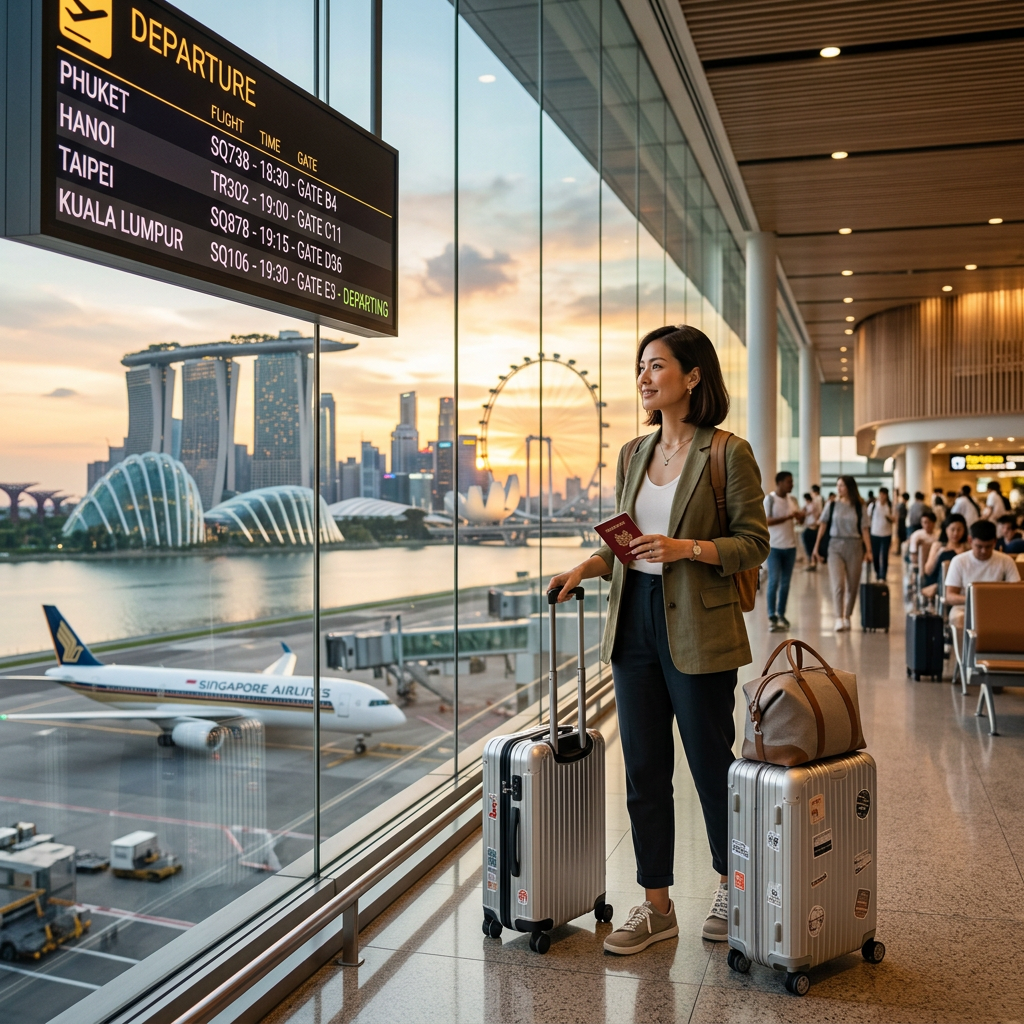
Travel is a major lifestyle priority for many people living in Singapore. Because the city is compact and annual leave is precious, Singaporeans often plan trips carefully, balancing budget, convenience, and experience. Weekend getaways and short regional breaks remain especially popular because they offer a quick change of scenery without requiring too much leave.
Nearby destinations such as Johor Bahru, Batam, Bali, Bangkok, Kuala Lumpur, Seoul, Taipei, and Tokyo continue to appeal to different types of travellers. Some are looking for food and shopping, others want beaches, cooler weather, family attractions, or café culture. Travel planning is often tied to flight deals, exchange rates, public holidays, and school calendars, which makes it both practical and aspirational at the same time.
At the local level, there is also growing appreciation for staycations and rediscovering Singapore itself. When budgets are tighter, even a one-night hotel stay, a coastal cycling trip, or a heritage neighbourhood trail can scratch the travel itch a bit. For Singaporeans, travel is not just about luxury. It is often about rest, recharge, bonding, and getting out of the everyday grind before coming back refreshed.
Life in Singapore cannot be understood through policy and economics alone. Culture plays a huge role in shaping how people speak, celebrate, eat, work, and relate to one another. One of Singapore’s greatest strengths is its multicultural identity. Different communities maintain their traditions while contributing to a shared national rhythm that feels uniquely local.
Festivals such as Chinese New Year, Hari Raya, Deepavali, and Christmas are not just public holidays. They are lived experiences that shape neighbourhoods, retail cycles, family routines, and social gatherings. Food, language, etiquette, and community life all reflect a blend of backgrounds that is constantly evolving. Even the way Singaporeans switch between standard English, mother tongue expressions, and Singlish reveals a cultural flexibility that is hard to replicate elsewhere.
There is also a recognisable Singaporean mindset that combines pragmatism, resilience, and quiet competitiveness. People complain, joke, adapt, and move forward all at once. There is affection in the way locals talk about long queues, ERP charges, weather complaints, and food debates. This everyday mix of grumbling and gratitude is part of what makes the Singapore experience feel so real and relatable.
With rising expenses and long-term responsibilities, financial planning has become essential for modern households. In Singapore, managing money is not only about saving more. It is about understanding how to prepare for housing needs, healthcare costs, retirement, children’s education, and unexpected emergencies in a structured and sustainable way.
A strong financial foundation often begins with an emergency fund, sensible insurance coverage, and a realistic monthly budget. From there, many Singaporeans look at CPF usage, long-term investing, and debt management. For younger adults, the challenge may be balancing daily lifestyle expenses with saving for a flat. For mid-career professionals, the focus may shift to family protection, retirement adequacy, and preserving income stability.
The good news is that financial literacy is improving. More people are reading up on basic investing, comparing insurance options, and thinking seriously about retirement rather than leaving it too late. Even so, the most effective financial planning still comes down to consistency. A clear plan, regular reviews, and disciplined habits can go a long way in a city where the stakes often feel high.
Life in Singapore is shaped by a constant balancing act. Residents are managing the cost of living in Singapore, watching Singapore news, exploring Singapore jobs, evaluating Singapore property, enjoying the best food in Singapore, and finding new things to do in Singapore all at the same time. It is a city where policy, culture, convenience, and competition are tightly linked, and that makes everyday life both demanding and full of possibility.
What stands out most is how Singaporeans continue to adapt. People find ways to stay informed, eat well, work smarter, protect their finances, and enjoy the city despite rising pressures. Whether it is through smart budgeting, career growth, weekend adventures, or simply sharing good food with people who matter, the Singaporean experience is built on practical resilience.
If you want to navigate life in Singapore more confidently, stay updated, plan ahead, and make room for the everyday joys too. From smart money moves to your next makan recommendation, every small decision adds up to a better, more intentional life here.