


All family matter
ByExplorer
Understanding the World Economy: Trends, Challenges, and What It Means for You
Share your love
The world economy can sound like a big, abstract idea reserved for experts on TV, but it quietly shapes almost everything in your daily life. From the price you pay at the supermarket to the security of your job, from the cost of your mortgage to how far your vacation budget will stretch abroad, all of it is influenced by the broader world economy. When countries trade, invest, borrow, and sell to one another, they create a global web of money, goods, services, and information that affects every household on the planet.
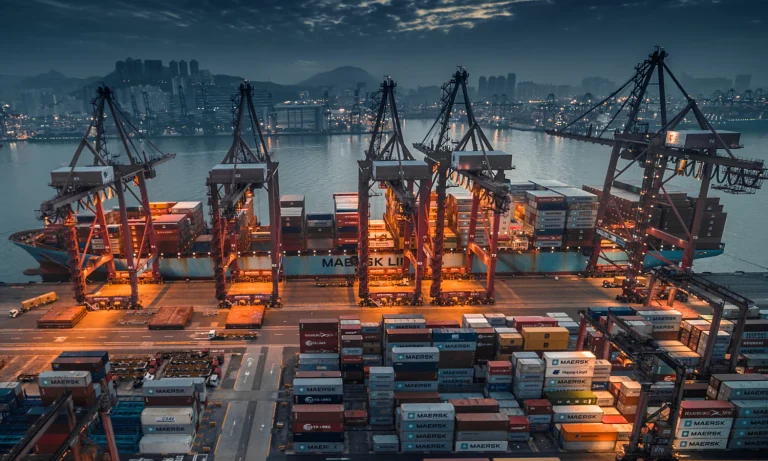
In simple terms, the world economy is the sum of all the economic activity happening in every country, all connected together. Factories in one region produce components that are assembled in another and sold in a third. Governments set policies that influence interest rates and inflation across borders. A decision made by a central bank thousands of miles away can change the value of your currency, your savings, and your cost of living. Even when you buy something online from another country, you’re taking part in the world economy.
Understanding how the world economy works doesn’t require a degree in economics. It’s about recognizing a few key ideas: how countries trade and cooperate, how money moves around the globe, why prices rise or fall, and how big trends like technology and demographics are reshaping the future. With a basic grasp of these concepts, you can better interpret the news, make smarter financial decisions, and plan for your own future in a more informed way.
This guide will walk you through the essentials of the world economy in clear, everyday language. You’ll learn what the world economy actually is, how it functions, how we measure it, and which major trends are driving change today. We’ll also look at how global developments affect your job, your budget, and your long‑term plans, as well as the risks and opportunities that come with a rapidly changing world. By the end, the idea of the “world economy” should feel less distant—and far more useful for navigating your life.
To really understand the world economy, it helps to start with a simple picture: imagine every shop, factory, farm, office, and online business in every country, all added together and connected. The world economy is this giant network of production, trade, and finance that links nations and people across the globe. It includes everything from a small local farmer exporting fruit, to a multinational company building smartphones in several countries, to tourists spending money abroad. When we talk about the “world economy,” we are talking about the total of all this activity and the ways it all interacts.
Each country has its own national economy, with people working, earning, spending, saving, and investing. But no country stands alone for long. Countries buy and sell goods and services to one another, invest in each other’s businesses, lend money across borders, and share technology and ideas. As soon as these national economies start trading and connecting, they form part of the broader world economy. A change in one place—such as a poor harvest, a new technology, or a financial crisis—can spread quickly, influencing prices, jobs, and growth far beyond its borders.
Within the world economy, there are several big players that shape how everything works. Governments set rules on taxes, trade, and spending. Central banks manage interest rates and try to keep inflation under control. Large multinational companies operate in many countries, deciding where to produce, hire, and invest. International organizations, such as the International Monetary Fund (IMF) and the World Bank, help coordinate policies, offer advice, and provide financial support when countries face trouble. Together, these actors interact in complex ways, but the basic idea remains straightforward: the world economy is the combined economic life of the planet, constantly moving, adjusting, and affecting everyday people along the way.